Understanding Roof Inspections: Why They’re Necessary and How Often to Schedule Them
Why Do You Need a Roof Inspection and How Often Are They Needed?
Understanding the importance of roof inspections and the frequency at which they should be conducted can be crucial for maintaining the integrity and longevity of your home’s roofing system. This comprehensive guide will delve into why regular roof inspections are essential, outline key benefits, and provide guidance on how often these inspections should occur to ensure your roof remains in optimal condition.
The Importance of Roof Inspections
- Early Problem Detection:
- Detect potential issues before they escalate into serious problems.
- Identify missing, warped, or damaged shingles, structural weaknesses, or potential leak points.
- Cost Savings:
- Early detection of problems can lead to less expensive repairs.
- Preventive maintenance helps avoid major refurbishment or complete roof replacements.
- Safety and Security:
- Ensures that the roof structure is safe and secure.
- Protects against water damage, mold growth, and other hazards that can affect the home’s overall integrity and indoor air quality.
- Insurance and Compliance:
- Some insurance policies require regular inspections to maintain coverage, especially in areas prone to severe weather.
- Ensures compliance with local building standards and regulations.
- Value Preservation:
- A well-maintained roof contributes to the home’s overall value.
- Important for resale considerations, as potential buyers often request to review maintenance records.
How Often Are Roof Inspections Needed?
The frequency of roof inspections can depend on several factors including the age of the roof, local weather conditions, and previous maintenance history. However, there are general guidelines that can help homeowners plan their inspection schedules:
- Biannual Inspections:
- Recommended to have a professional inspection at least twice a year, typically in spring and fall, to address any damages from winter weather and to prepare for summer conditions.
- After Severe Weather Events:
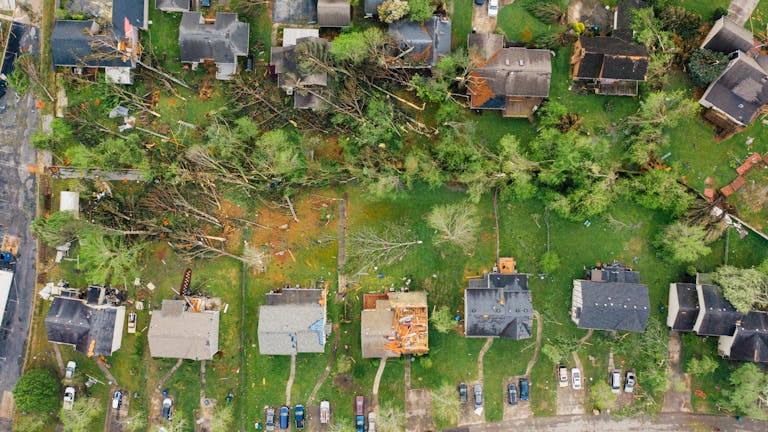
- Important to inspect the roof after incidents like heavy storms, hail, or significant wind, which can cause immediate and noticeable damage to the roofing structure.
- For Aging Roofs:
- Older roofs (20 years or older) should be inspected more frequently, as they are more susceptible to wear and tear.
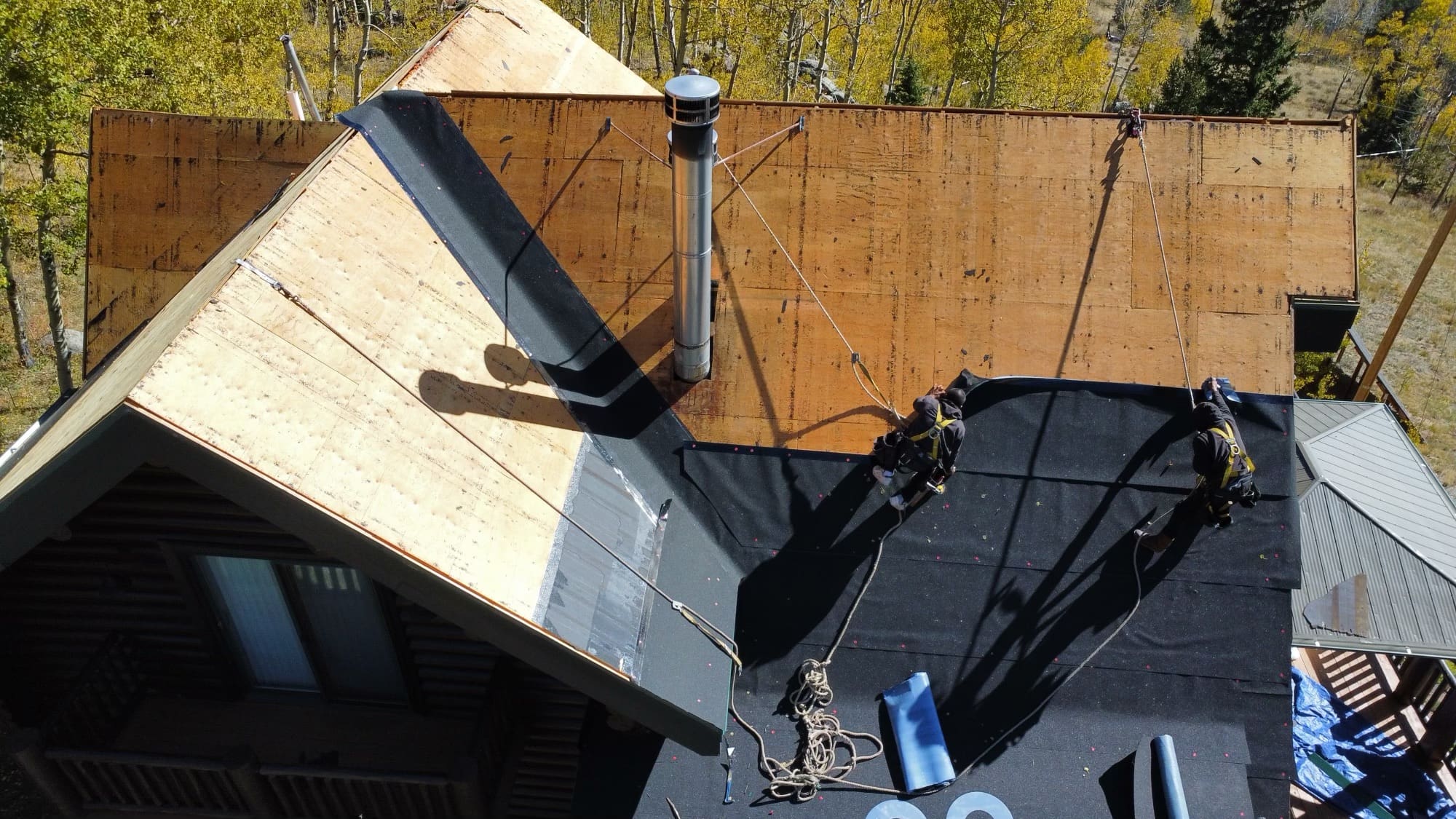
What to Expect During a Roof Inspection?
A comprehensive roof inspection involves several key activities:
- Visual Inspection: From both the ground and the roof, checking for visible signs of damage or aging.
- Structural Inspection: Assessing the condition of the roof supports, attic, ventilation, and signs of sagging or misalignment.
- Material Inspection: Looking at the condition of roofing materials, seals, and joints, and checking for leaks, moss, and rust.
- Interior Inspection: Checking for signs of water intrusion, mold, or damage to the ceiling and attic spaces.
Regular roof inspections are an essential aspect of home maintenance, ensuring the safety, efficiency, and longevity of your roofing system. By adhering to a routine inspection schedule, homeowners can avoid unexpected repairs, maintain their home’s value, and ensure their living environment remains safe and secure. Always consult with a professional roofing company like Guardian Roofing to handle your inspection needs, ensuring thoroughness and expertise in maintaining your home’s first line of defense against the elements.